
What Does 3000 Puffs Mean? Understanding Puff Count Estimates on Vaping Devices
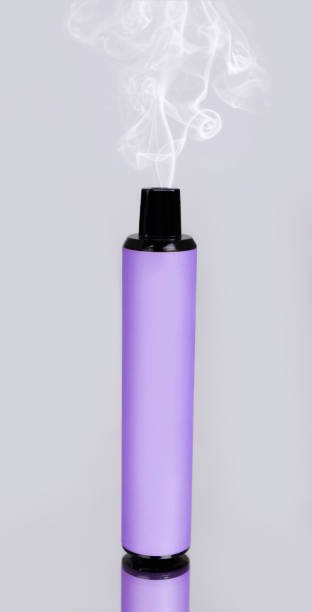
The term “3000 puffs” is commonly used to describe the estimated number of inhalations a vaping device may provide under standardized testing or manufacturer assumptions. It is intended as a general indicator rather than a guarantee of how long a device will last. Actual puff counts vary depending on individual usage patterns, device characteristics, and user behavior.
Understanding what puff ratings represent can help consumers better interpret product information and avoid assuming that all users will achieve the same results.
How Puff Counts Are Estimated
Manufacturers typically estimate puff counts by testing devices under controlled conditions. These estimates are based on assumptions about puff duration, frequency, and device performance. Because real-world use differs from laboratory conditions, the number of puffs an individual receives may be higher or lower than the stated estimate.
Factors that can influence puff count include:
- Puff length and inhalation style.
- Frequency of use.
- Battery performance.
- Device settings, where applicable.
- E-liquid capacity and device efficiency.
For this reason, puff ratings should be viewed as approximate rather than exact.
Why Actual Results Vary
No two users vape in exactly the same way. Longer or more frequent inhalations may consume e-liquid and battery capacity more quickly than shorter, less frequent use. Environmental conditions and normal device variation may also affect performance.
Consumers should therefore understand that puff count is only one specification among many and does not necessarily reflect the overall lifespan or performance of a vaping device.
Health Considerations
Research into vaping remains ongoing. Health authorities generally agree that products containing nicotine can lead to nicotine dependence. Studies have also found that vaping aerosols may contain substances that can affect the respiratory system, although the level of exposure depends on factors such as the device, the e-liquid, and patterns of use.
Public health organizations generally recommend that people who do not currently use tobacco or nicotine products avoid starting vaping.
Individuals with questions about nicotine use or vaping should seek advice from qualified healthcare professionals.
Regulations and Consumer Awareness
Many countries regulate vaping products through requirements related to age restrictions, product standards, labelling, advertising, and sales. These regulations are intended to support consumer protection and may also specify how product information should be presented.
Consumers should consult official government sources for the latest regulatory information in their jurisdiction, as requirements may change over time.
Reading product instructions carefully and understanding manufacturer guidance can also help users better interpret product specifications.
Conclusion
A 3000-puff rating is an estimate intended to provide a general indication of device usage rather than a guaranteed number of inhalations. Actual results depend on individual usage patterns, device characteristics, and other factors. Staying informed about current health evidence, understanding applicable regulations, and relying on credible public health information can help adults make informed decisions about vaping products.